

Remember when cars didn't have seatbelts, let alone airbags? When children's toys were coated in lead paint? When electrical appliances didn't have ground wires? The evolution of product safety standards over the past century tells a remarkable story of how far we've come in protecting consumers – and perhaps no example illustrates this better than the humble toaster sitting on your kitchen counter.
Today's product safety landscape would be unrecognizable to a manufacturer from the early 20th century. Modern appliances undergo rigorous testing for everything from electrical safety to electromagnetic compatibility. They must meet strict standards for temperature limits, electrical insulation, and protection against accidental contact with hazardous parts. Warning labels must be clear and comprehensive. Safety features must be redundant and fail-safe.
Why would a toaster not pass today's safety standards?
Yet here's an interesting paradox that perfectly demonstrates how far we've come: the conventional toaster, a staple in homes worldwide, would likely fail to meet many of today's stringent safety requirements if it were introduced as a new product. Its surface temperatures often exceed modern skin burn limits, and those glowing heating elements? They're essentially uninsulated live electrical parts that anyone could touch with a fork – a design that would make modern safety engineers cringe.
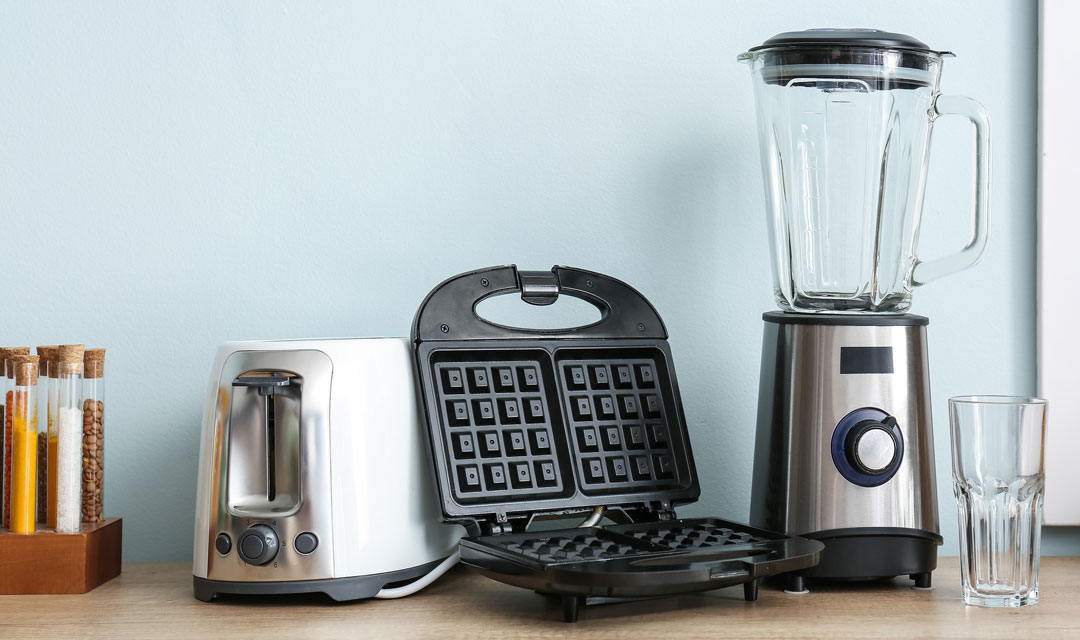
The fact that this seemingly dangerous design continues to be manufactured and sold while newer products face increasingly strict safety requirements tells us something important about the evolution of product safety. It's a concept known as "history of safe use," and it's a fascinating window into how our approach to safety has transformed over the decades.
When the first electric toasters appeared in the early 1900s, product safety was largely a matter of common sense and personal responsibility. Manufacturers weren't required to protect users from every conceivable hazard, and consumers were expected to exercise basic caution. The toaster's design reflected this era's approach to safety: obvious hazards were acceptable as long as they were apparent to the user.
Fast forward to today, and the landscape has changed dramatically. Modern safety standards are built on decades of research, incident data, and a deeper understanding of human behavior. New products must go through extensive testing and certification processes. Manufacturers must anticipate and protect against not just obvious hazards but also foreseeable misuse.
Consider some modern appliances: Coffee makers with multiple thermal cutoffs and safety interlocks. Microwaves that won't operate unless the door is fully closed and latched. Food processors that won't run unless all safety components are properly assembled. These safety features reflect our current understanding that products should protect users even from their own potential mistakes.
The evolution hasn't just been about adding more safety features – it's about fundamentally changing how we think about product safety. Modern standards emphasize:
- Prevention rather than warning
- Active safety systems rather than passive ones
- Protection against foreseeable misuse, not just intended use
- Multiple layers of safety rather than single points of protection
- Universal safety rather than relying on user knowledge or training
This evolution is visible in every industry. Children's products now undergo extensive testing for small parts and chemical safety. Power tools incorporate multiple safety guards and dead-man switches. Even simple products like furniture must meet strict stability requirements and include anti-tip protection.
The persistence of older designs like the toaster, protected by their "history of safe use," serves as a remarkable contrast that highlights just how far safety standards have evolved. While we continue to use these legacy products safely – thanks to generational knowledge and obvious hazards – new products must meet far more stringent requirements.
Looking ahead, safety standards continue to evolve. Emerging technologies bring new challenges: How do we ensure the safety of AI-powered devices? What standards should apply to autonomous systems? How do we protect users in an increasingly connected world? These questions show that while we've come a long way, the journey toward safer products never really ends.
The story of product safety is one of continuous improvement, learning from incidents, and increasingly sophisticated understanding of how to protect users. While some legacy products remind us of simpler times, today's safety standards reflect a world where we expect our products to protect us not just from obvious hazards, but from ourselves.