The Basics of Product Safety Certifications
Navigating product safety certifications can be complex, but these seven essential tips will help you build a successful certification program worldwide:
- Read the Standard - This fundamental step is often skipped, leading to a 90% first-time failure rate. Your product must be designed with the standard in mind.
- Begin Early - Incorporate safety requirements into your design from the concept phase. Design for Safety Approvals (DFSA) ensures you build in compliance from the start.
- Master UL 746C - This standard for Polymeric Materials in Electrical Equipment is a crucial reference for products using polymer enclosures.
- Understand Common Tests - Key evaluations include:
- Voltage and current measurements
- Temperature testing of critical components
- Dielectric withstand testing
- Mechanical abuse testing (drop, impact, stability)
- Abnormal operation testing
- Prepare Proper Documentation - Instruction and installation manuals are mandatory. Standards specify required content.
- Include Required Markings - All products need specific markings as detailed in the standards.
- Create Compliant Nameplates - Must include:
- Manufacturer's name/trademark
- Manufacturing date
- Model number
- Electrical ratings
Following these guidelines provides a strong foundation for product safety certification.
What are the product safety certification requirements for motors?
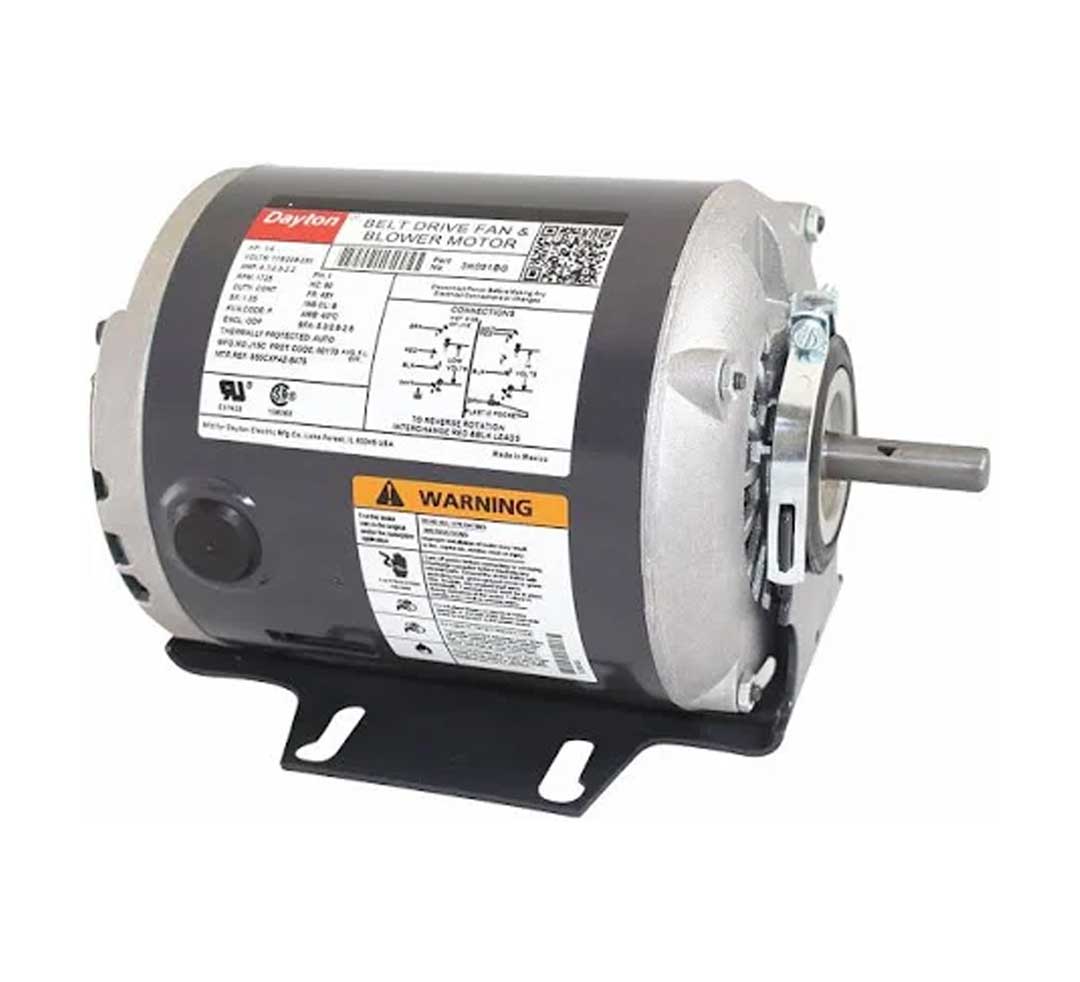
Understanding motor certification starts with UL1004, which only covers construction requirements. The good news is that non-UL motors can be readily integrated into products when proper testing is performed. This testing includes locked rotor, running overload, and moisture absorption evaluations.
Temperature rise is a critical factor: motors with less than 65°C rise fall under Class A and only need UL components, while those exceeding 65°C rise require Class B or higher certification and must use a UL Insulation System. For motors in Class 2 circuits, an additional 18-day locked rotor test is typically required.
What are the product safety certification requirements for transformers?
Transformers follow similar principles to motors in terms of certification and implementation. Like motors, temperature rise determines the requirements:
- Under 65°C rise requires Class A certification with UL components
- Over 65°C rise needs Class B or higher with UL Insulation System
Testing is comprehensive, including input/output measurements, temperature monitoring, maximum VA testing, and dielectric withstand. Some standards also require partial winding short tests. For Class 2 transformers, specific limits must be observed: 42.4Vp, 60Vdc with a maximum current of 8 Amps. Physical separation between primary and secondary windings is mandatory, typically achieved through split bobbin transformers or optical isolators.
What are the product safety certification challenges for heaters?
Heaters present unique challenges in certification, as many are either UL Recognized (UR) or custom-manufactured. The key focus areas are insulation adequacy and managing hot spots in resistive wire heaters. Testing protocols include normal temperature operation, dielectric testing, and shorted thermostat evaluation.
End product considerations for heaters center on fault conditions that might cause overtemperature. Two important classifications exist:
- Thermostats and temperature controls rated for 6,000 and 10,000 cycles are considered Regulating
- Those rated for 100,000 cycles are classified as Limiting
Regulating Thermostats and temperature controls get bypassed during Abnormal testing, Limiting Thermostats and temperature controls do not.
When using Thermal Cut-Offs (TCOs), many must be positioned at least 35°C away from their opening temperature rating to ensure proper operation and safety. Check with the manufacture and UL’s Condition of Acceptability's.
Conclusion
Successfully navigating product safety certifications requires careful attention to these component-specific requirements. While motors, transformers, and heaters each have their unique certification challenges, they share common themes of temperature management, proper insulation, and thorough testing protocols. Understanding these requirements early in the design process and incorporating them into your product development cycle will save time, reduce costs, and ensure a smoother path to certification. Remember that safety isn't just about meeting standards—it's about creating reliable products that protect end users and maintain your company's reputation for quality.