In the world of product manufacturing, ensuring Product Safety and Certifications is paramount. Product Safety Consulting, Inc. offers invaluable guidance in this arena. This article serves as the beginning of a Series that we call Compliance 101. We take you through a fictitious product from the plug down the cord and into the product, cover items such as common construction requirements, testing and what to watch out for with Materials and Components. In the end it will be a primer on the basic requirements for Product Safety and Certifications no matter where in the world you are going.
The Basics
The world of Product Safety and Certifications can be a quagmire, quite confusing and downright not fun. We break it down here. Follow these 7 Tips and you will have a successful Certification program no matter where in the world you are going.
#1 - The first rule in Product Safety Certifications? READ THE STANDARD. This seemingly obvious step is often overlooked but is the foundation for all further actions. Nine out of ten products fail the first time through a Certification process because the product was not designed with the Standard in mind.
#2 – Start early in the design process. From concept is ideal. You can identify the Standard(s), read through them and build the requirements and testing that will be required into the design. Measure twice, cut once is the old adage. We call it Design for Safety Approvals – DFSAtm.
#3 – Have UL 746C in your knowledge bag of tricks. UL 746C is Polymeric Materials – Use in Electrical Equipment Evaluations. It is a reference Standard for all end product Standards that use Polymeric Materials for their Enclosures.
#4 – Know the common tests. These tests will be conduct regardless of the end product – Normal Operation Voltage and Current Input measurements, Normal Operation Temperature testing – all critical components, polymeric materials, wiring, PCB’s, etc. will have thermocouples on them to verify their temperature limits are not be exceeded, Dielectric Withstand testing will be conducted to be sure there are no live parts in contact with ground, Mechanical Abuse testing either Drop or Impact, Tip over, stability, etc., all products are also subjected to Abnormal Operation such as Locked Rotor for motor operated products, shorted thermostat for heating type products, among others.
#5 – Instruction/Installation Manuals – All products require them. Most Standards are very explicit what is required to be in them. Some Standards have the requirements buried in various construction requirements throughout the Standard. READ THE STANDARD!
#6 – Markings - All products require them. Most Standards are very explicit what is required to be in them. Some Standards have the requirements buried in various construction requirements throughout the Standard. READ THE STANDARD!
#7 – Nameplate – A nameplate is typically required with the following information being required –
- The manufacturer’s name, trade name, or trademark;
- The date or other dating period of manufacture not exceeding any three consecutive months;
- A distinctive catalog or model number, or the equivalent; and
- The electrical ratings.
Those seven tips will carry you far in the world of Product Safety and Certifications. Now we take you through the fictious product from the Plug down the Cord and then inside the product.
Components
This episode will focus on Components.
When designing any product, components are the building blocks that ensure both functionality and safety. It's essential to use each component within its specified ratings—voltage, current, and frequency.
Here is a breakdown of key requirements:
- Critical Components: These include all components in circuits greater than Class 2 (42.2Vac, 60Vdc) and/or those relied upon for safety functions – over current, over temperature, like interlocks and emergency stops. These components must be carefully chosen and meet the necessary safety standards.
- Component Ratings: Ensure that all components are used within their ratings but follow the Standard. For example, some standards require components to be de-rated—like a plug rated for 15 Amps that may only be used in a 12 Amp circuit.
- Mechanical Securement: Components must be mechanically secured. While soldering may seem secure, it is not considered a reliable method of securement. Proper mounting and fastening techniques must be used to ensure safety.
Standards for Specific Components
All UL Recognized Components come with Conditions of Acceptability (C of A’s). When selecting components, it is vital to know the C of A’s and ensure the standard used for the component matches the application. This is especially important for the following components:
- Motors: Motors come in various categories and require different standards. Selecting the wrong standard can lead to unsafe operations and failed certifications.
- Over-Temperature Protection Devices: These include thermal cutoffs, mechanical thermostats, and thermistors. Each type has different specifications, and selecting the correct protection device for your application is critical.
- Switches: Ensure that switches are rated for the specific load—whether resistive or inductive. In the USA switches are typically required to break the line or hot side of a circuit. For most of the rest of the world, switch shall break both sides of the line.
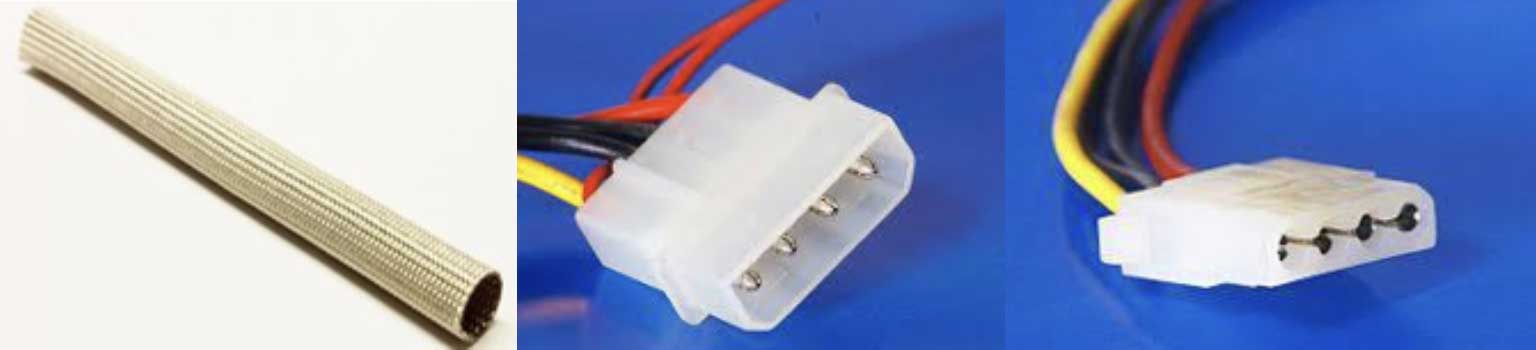
- Sleeving: There are two different UL Recognition Categories for Sleeving - “Sleeving, Flame Retardant” and “Sleeving, Coated Electrical”. A common non-compliance is using “Flame Retardant” sleeving to cover uninsulated splices. If the Sleeving is in contact with uninsulated live parts, it shall be “Coated, Electrical. Be sure to have the right component for your application.
Fuses: Essential for Safety
Fuses play a crucial role in protecting circuits and components. Here is what you need to know:
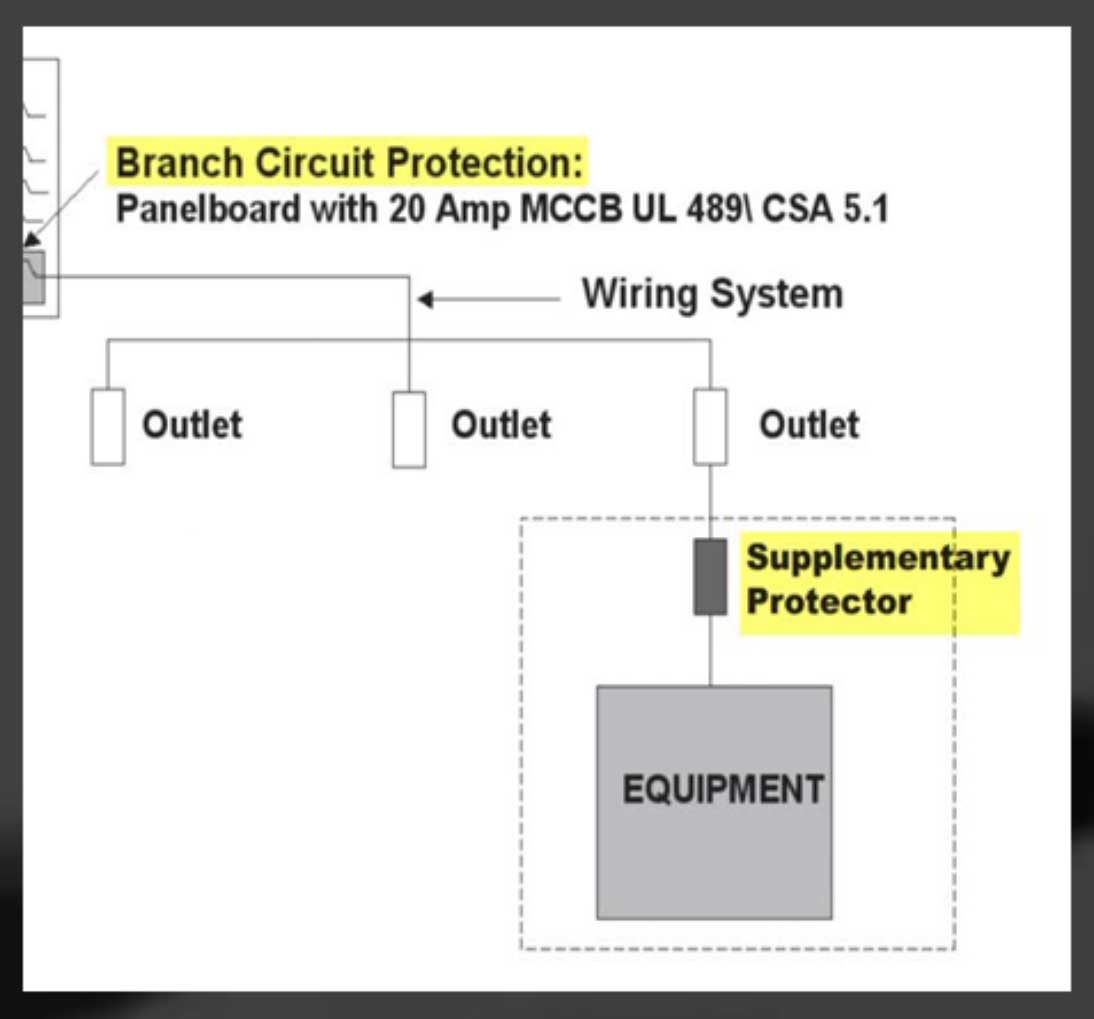
- Supplemental vs. Branch Circuit Fuses: Most appliances use supplemental fuses, while industrial products often require branch circuit fuses.
- Location of Fuses: In the U.S., fuses are typically required to be placed on the hot side of the circuit. In the EU, however, fuses are often required on both the line and neutral sides.
Conclusion
Selecting the right components is key to ensuring both the safety and compliance of your product. By following industry standards, understanding Conditions of Acceptability, and using components within their ratings, you can avoid costly mistakes and ensure your product meets all necessary certifications. As always, verifying that the correct standard is applied for your specific use case is crucial to achieving compliance.
Stay tuned for our next Compliance 101 installment, where we’ll explore more aspects of product safety and certification. For more details on component conditions of acceptability, visit https://productsafetyinc.com