

Printed Wiring Boards (PWB) - The Foundation of Electronic Safety
In our ongoing Compliance 101 series, Product Safety Consulting, Inc. continues to explore critical aspects of product safety and certification. Today, we are focusing on Printed Wiring Boards (PWBs), the backbone of electronic devices. Understanding PWB safety requirements is crucial for ensuring the overall safety and compliance of your products.
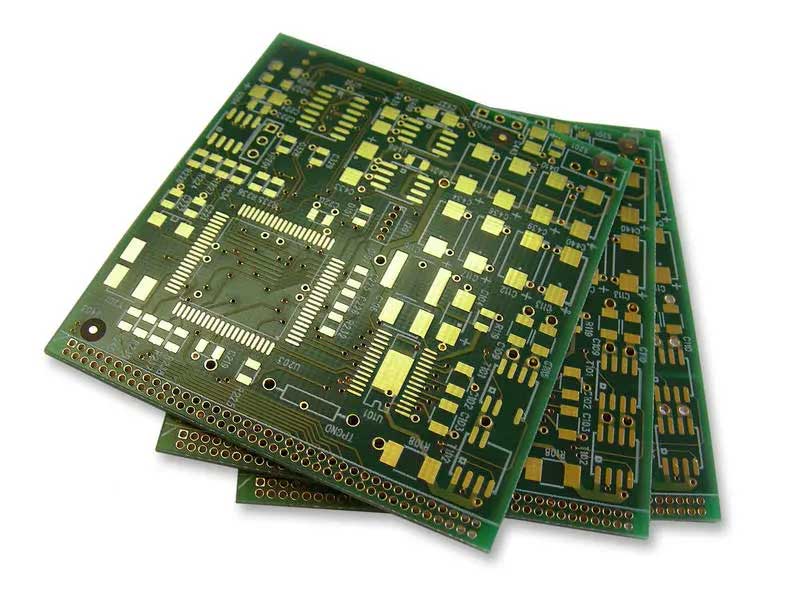
What are Spacings, Creepage, and Clearances in PWB Design?
Spacings, Creepage, and Clearances in PWB design refer to the distances between conductive parts on the board. Maintaining proper spacings is one of the most important aspects of PWB design, as these distances are critical for preventing electrical breakdown and ensuring safety.
What is UL 840 and Why is it the Standard for PWB Spacing Requirements?
The standard - "Insulation Coordination Including Clearances and Creepage Distances for Electrical Equipment" - is the primary reference for spacing requirements. This standard provides guidelines for:
- Creepage Distance: This is the shortest path between two conductive parts measured along the surface of the insulation. Adequate creepage distance prevents tracking (surface electrical breakdown).
- Clearance: This is the shortest distance between two conductive parts through air. Proper clearance prevents arcing (electrical breakdown through air).
What is Conformal Coating and How Does it Protect PWBs?
Conformal coating is a thin polymeric film applied to PWBs to protect the circuits from environmental stresses. It enhances the board's resistance to moisture, dust, and chemicals, and therefore allows for reduced creepage and clearances.
What is the Direct Support Rating Symbol and Why is it Important for PWB Safety?
When selecting PWBs, look for the direct support rating symbol. This UL mark indicates that the PWB has been evaluated for its ability to support and insulate current-carrying parts. PWBs with this rating have undergone rigorous testing to ensure they meet safety standards.
Key Considerations for PWB Safety:
- Material Selection: Choose PWB materials with appropriate Comparative Tracking Index (CTI) for your application.
- Layout Design: Ensure your PCB layout adheres to the creepage and clearance requirements specified in your end product Stanard and use UL 840 as a reference.
- Voltage Considerations: Higher voltages require larger creepage and clearances. Always design with the maximum expected voltage in mind.
- Environmental Factors: Consider the operating environment of your product. Factors like pollution degree and altitude can affect creepage and clearance requirements.
- Component Placement: Ensure components are placed in a way that maintains required creepage and clearances, even after assembly and during expected use.
- Trace Width and Current Capacity: Design traces with adequate width to handle expected currents without overheating. Refer to https://www.pcbgogo.com/Blog/PCB_Trace___Everything_You_Need_To_Know.html#:~:text=And%20there%20are%20some%20common,inch)%2C%202.3%20mm%20(0.091 for guidance.
- Thermal Management: Consider the thermal characteristics of your PWB design to prevent overheating and potential safety hazards.
Conclusion:
Printed Wiring Boards are at the heart of electronic product safety. By adhering to creepage and clearance requirements, understanding the implications of conformal coating, and selecting boards with appropriate ratings, manufacturers can ensure their products meet global safety standards.
At Product Safety Consulting, Inc., we're committed to guiding you through the complexities of PWB safety and compliance. Whether you're designing a new product or updating an existing one, understanding these principles is critical for achieving product safety certification.
Stay tuned for our next installment in the Compliance 101 series, where we'll explore another crucial aspect of product safety and certification.